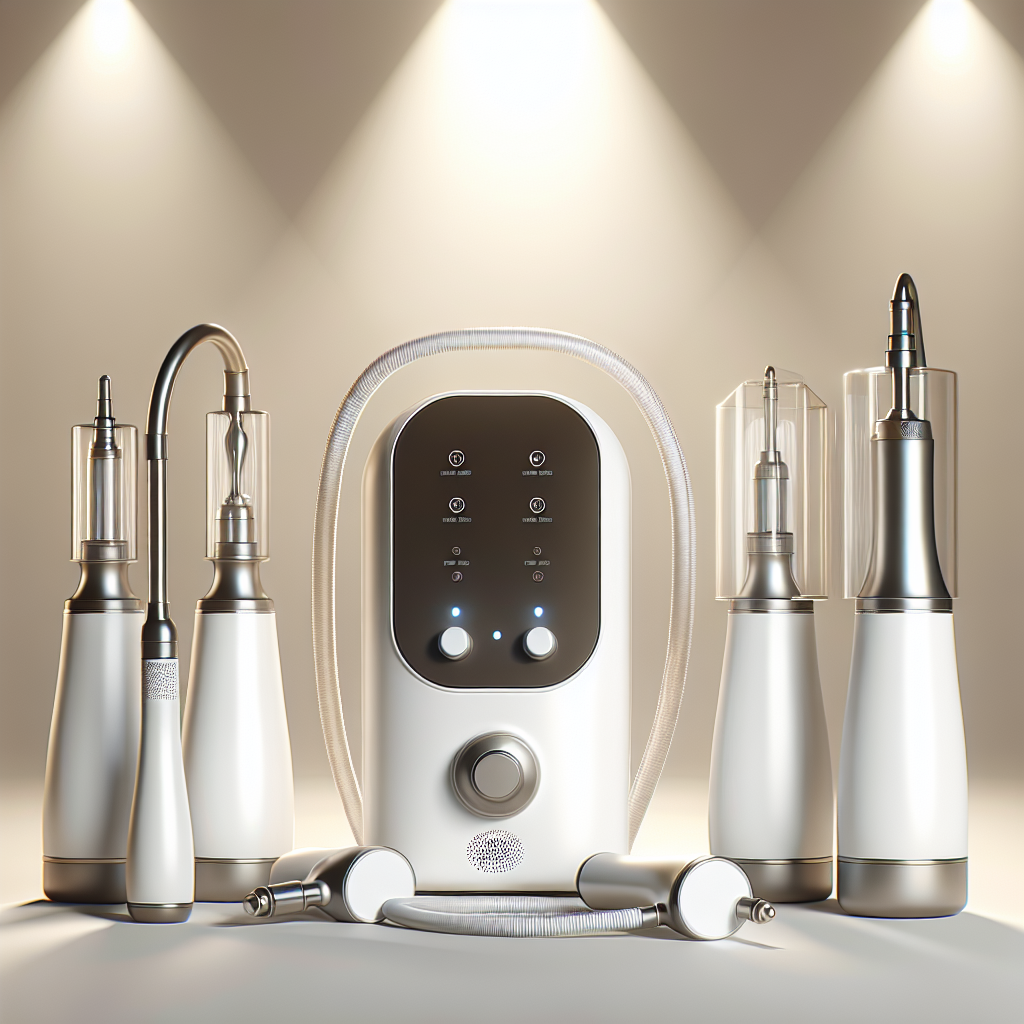
Professional pore vacuum extractors promise a clearer-looking complexion by loosening and lifting oil, oxidized sebum, and debris from congested pores. When used correctly, these tools can complement exfoliants and facials while reducing the urge to pick. The key is pairing the right device with a gentle technique and good aftercare to avoid irritation or bruising. Below is a practical guide to choosing, using, and maintaining a pore vacuum like a pro, including recommendations for devices with hydro-infusion and microdermabrasion features that elevate results.
Recommended Products
To get professional-level results at home, you need a device that balances power, control, and hygiene. Start with these top picks and essentials:
- Check out the BeautyBio GLOfacial Hydro-Infusion Pore Cleansing Tool with Blue LED Clarifying Light on Amazon for fluid-assisted extraction, clarifying light, and user-friendly modes.
- We recommend the Microderm GLO Diamond Microdermabrasion Machine and Suction Tool for controlled exfoliation paired with customizable suction.
- Cotton rounds, a gentle gel cleanser, and a non-comedogenic hydrating serum or essence for slip and glide.
- Alcohol or disinfectant spray (70% isopropyl) for tip sanitation; replaceable filters if your device uses them.
- SPF 30+ daily sunscreen to protect post-extraction skin.
How Professional Pore Vacuums Work
Pore vacuum extractors create a controlled negative pressure to encourage the contents of a congested pore to rise toward the surface. On advanced units, that suction is paired with one or more enhancements:
- Hydro-infusion: A steady flow of solution softens sebum and assists debris removal while rinsing the area. One of the best options is the BeautyBio GLOfacial Hydro-Infusion Pore Cleansing Tool with Blue LED Clarifying Light, which combines suction with a targeted fluid stream for smoother passes.
- Blue LED: Blue wavelengths can help minimize the appearance of acne-prone skin by targeting the environment that supports blemish formation. This doesn’t replace skincare, but it complements an extraction routine.
- Microdermabrasion: Diamond tips gently resurface the top layer, improving texture and helping to free trapped oil and dead skin. One of the best options is the Microderm GLO Diamond Microdermabrasion Machine and Suction Tool, which pairs exfoliation with adjustable suction for precise control.
When used with a light hand and proper prep, these devices can visibly reduce the look of blackheads on the nose, chin, and forehead while supporting smoother makeup application and fewer clogged spots.
Choosing the Right Extractor
Suction Power and Control
Look for a device with multiple intensity levels rather than a single high-power setting. Good tools allow you to tailor suction to different zones: low for cheeks and sensitive areas, medium for forehead and jaw, and carefully increased power on sturdier areas like the nose. A pressure range with smart pulsation can help dislodge buildup with less tugging.
Tip Shapes and Materials
Interchangeable tips help you work efficiently:
- Small round tips focus on crevices around the nose.
- Larger oval tips lift along the T-zone and cheeks.
- Diamond tips (on microderm units) assist with controlled exfoliation to improve skin texture and reduce dullness.
If micro-resurfacing appeals to you, the precision and diamond-tip selection on the Microderm GLO Diamond Microdermabrasion Machine and Suction Tool make it a strong candidate for combination routines.
Hygiene and Maintenance
Clear internal chambers, replaceable filters, and washable tips make cleanup straightforward and help prevent bacteria buildup. Hydro-infusion devices should also be easy to flush after use to avoid residue and odors. Devices with translucent reservoirs let you monitor flow and cleanliness in real time.
Safety Features and Extras
Features like time-limited modes, auto-pause when pressed too firmly, and blue LED support a safer experience. If you’re new to extraction, a hydro-infusion system can provide extra slip and reduce the likelihood of bruising. For example, Check out the BeautyBio GLOfacial Hydro-Infusion Pore Cleansing Tool with Blue LED Clarifying Light on Amazon for a gentle yet thorough approach.
Step-by-Step Routine for Safe Extraction
- Cleanse and soften. Wash with a mild cleanser, then steam for 5–7 minutes or press a warm, damp towel on congested areas. The goal is to loosen sebum, not to overheat your skin.
- Prepare your device. Fit a clean tip, insert a fresh filter if applicable, and choose the lowest suction to start. If using hydro-infusion, fill the reservoir with the recommended solution or distilled water.
- Create slip. Apply a water-based serum or essence to reduce friction. Hydro-infusion devices inherently provide slip as they dispense fluid; that’s why many users favor them for sensitive skin.
- Work in sections. Anchor the skin with one hand and glide the tip slowly in short, overlapping passes. Keep the tool moving—hovering in one spot increases the chance of a hickey-like mark.
- Tune the intensity. If nothing lifts after two gentle passes, step up one level on sturdier areas like the nose. Avoid the delicate eye area and active breakouts.
- Limit your time. Spend 3–5 minutes total for your first session and cap at 8–10 minutes once you’re comfortable. Over-extraction can compromise the skin barrier.
- Rinse and calm. Pat away residue, then apply a soothing, non-comedogenic hydrator with ingredients like panthenol or hyaluronic acid. Follow with a light moisturizer.
- Protect. Finish with SPF in the morning. Newly clarified pores are more susceptible to UV irritation.
If you prefer a fluid-assisted routine that rinses as it extracts, Check out the BeautyBio GLOfacial Hydro-Infusion Pore Cleansing Tool with Blue LED Clarifying Light on Amazon. For weekly texture refinement before extraction days, We recommend the Microderm GLO Diamond Microdermabrasion Machine and Suction Tool to gently loosen dead cells that trap sebum.
Troubleshooting and Pro Tips
- Persistent blackheads on the nose: Use a salicylic acid (BHA) serum 2–3 nights per week between extraction sessions to keep pores clearer longer.
- Temporary redness: This is common immediately after use and should fade within an hour. If redness lasts longer, reduce suction or session length next time.
- Hickey-like marks: These indicate you hovered or pulled too strongly. Keep the tip moving and lower the intensity, especially on thin skin.
- Dryness or flaking: Pair extraction with barrier-supportive products (ceramides, squalane) and limit sessions to once weekly at first.
- Clogged tips or filters: Rinse immediately after use, flush hydro chambers with warm distilled water, and disinfect tips. Replace filters on schedule.
- Uneven results: Work methodically—forehead, nose, chin, then cheeks—making two passes max per area. More passes do not equal better results.
Who Should Avoid or Modify Use
Skip at-home extraction on active cystic acne, sunburned or windburned skin, rosacea flares, eczema patches, or areas treated with recent chemical peels or retinoids. If you’re prone to broken capillaries or have a bleeding disorder, consult a dermatologist first. Those on photosensitizing medications should use LED features with guidance from a professional.
Professional Pore Vacuums vs. Alternatives
- Manual comedone tools: Effective in skilled hands but easier to overdo and can create dents or scars if you press. Vacuums spread force over a larger surface and are generally gentler when kept moving.
- Hydrofacial-style devices: Combine fluid infusion with extraction for reduced friction and better comfort. Home hydro tools like the BeautyBio model bring a similar concept to a handheld format.
- Microdermabrasion: Excellent for smoothing texture and loosening pore blockages. Using a diamond-tip device like the Microderm GLO Diamond Microdermabrasion Machine and Suction Tool before or between extractions can reduce the need for higher suction.
- Chemical exfoliants: Regular BHA and gentle AHA use helps prevent the buildup that leads to congestion. Pair with periodic vacuum sessions for maintenance rather than relying on extraction alone.
- Clay masks: Useful for absorbing surface oil pre-extraction, especially on the T-zone, but won’t remove oxidized plugs by themselves.
Maintenance and Hygiene Checklist
- Before each session: Wash your hands, cleanse your face, and inspect tips for cracks or residue.
- During use: Wipe the tip with a clean cotton round if you see buildup; replace filters mid-session if they saturate.
- After use: Disassemble, rinse tips and reservoirs in warm water, then disinfect and air-dry fully before reassembly.
- Weekly: Deep-clean the device attachments; check suction ports for debris and ensure gaskets and seals are intact.
- Monthly: Replace filters and worn tips as recommended by the manufacturer to maintain stable suction and hygiene.
Building a Balanced Routine
For most skin types, extraction once per week is sufficient. On off days, focus on prevention and recovery: gentle cleansing, hydrating serums, barrier-repair moisturizers, and targeted exfoliants 2–3 times per week. If you’re using retinoids, schedule extractions on a non-retinoid night to minimize irritation. Consistency with everyday care will do more to keep pores looking clear than frequent vacuuming.
Those who prefer a smoother, fluid-lubricated glide and added blue LED support will appreciate the hydro-infusion approach—One of the best options is the BeautyBio GLOfacial Hydro-Infusion Pore Cleansing Tool with Blue LED Clarifying Light. If texture and dullness are primary concerns, pairing extraction with controlled resurfacing from the Microderm GLO Diamond Microdermabrasion Machine and Suction Tool can deliver a more refined finish.
Conclusion
Professional pore vacuum extractors can be effective when used with care, thoughtful device selection, and a skin-friendly routine. Start with low suction, keep the tip moving, and treat extraction as a periodic maintenance step—not a daily habit. Hydro-infusion models reduce friction and add comfort, while microdermabrasion devices help address texture and stubborn buildup. With clean tools, gentle technique, and consistent aftercare, you can minimize the look of blackheads and congestion while preserving your skin’s barrier. If you want a streamlined, water-assisted experience with clarifying light, Check out the BeautyBio GLOfacial Hydro-Infusion Pore Cleansing Tool with Blue LED Clarifying Light on Amazon. For those seeking a polished complexion with added resurfacing, We recommend the Microderm GLO Diamond Microdermabrasion Machine and Suction Tool. Choose the tool that aligns with your skin goals, practice consistency, and your pores—and makeup—will look better for it.
Recommended Products
Ready to get started? Check out these top-rated products:
- BeautyBio GLOfacial Hydro-Infusion Pore Cleansing Tool with Blue LED Clarifying Light – Top rated by skincare enthusiasts
- Microderm GLO Diamond Microdermabrasion Machine and Suction Tool – Editor’s choice
Leave a Reply